What an Uncensored AI Chatbot Actually Is (and How It Works)
Four listicles, four different 'winners', zero definitions. Here is what uncensored technically means, the three kinds of uncensored chatbot that exist, and the five minute test that separates architecture from marketing.
On this page6 sections
Search for an uncensored AI chatbot and you will find four listicles crowning four different winners, most of them published by the winner. What you will not find is a straight answer to the obvious question: what does 'uncensored' technically mean, and how does one of these things actually work? That gap is worth closing, because the difference between a genuinely unfiltered AI chatbot and a filtered one wearing the label is the difference between a good product and a refund request.
This is the definitional deep dive: what censorship in a language model actually is, the three very different things sold under the uncensored banner, the limits every serious platform keeps on purpose, and a five minute method for testing any claim before you pay. One frame before we start: everything here concerns fictional, AI-generated companions for adults 18+. No real people, ever.
What 'uncensored' actually means in an AI chatbot
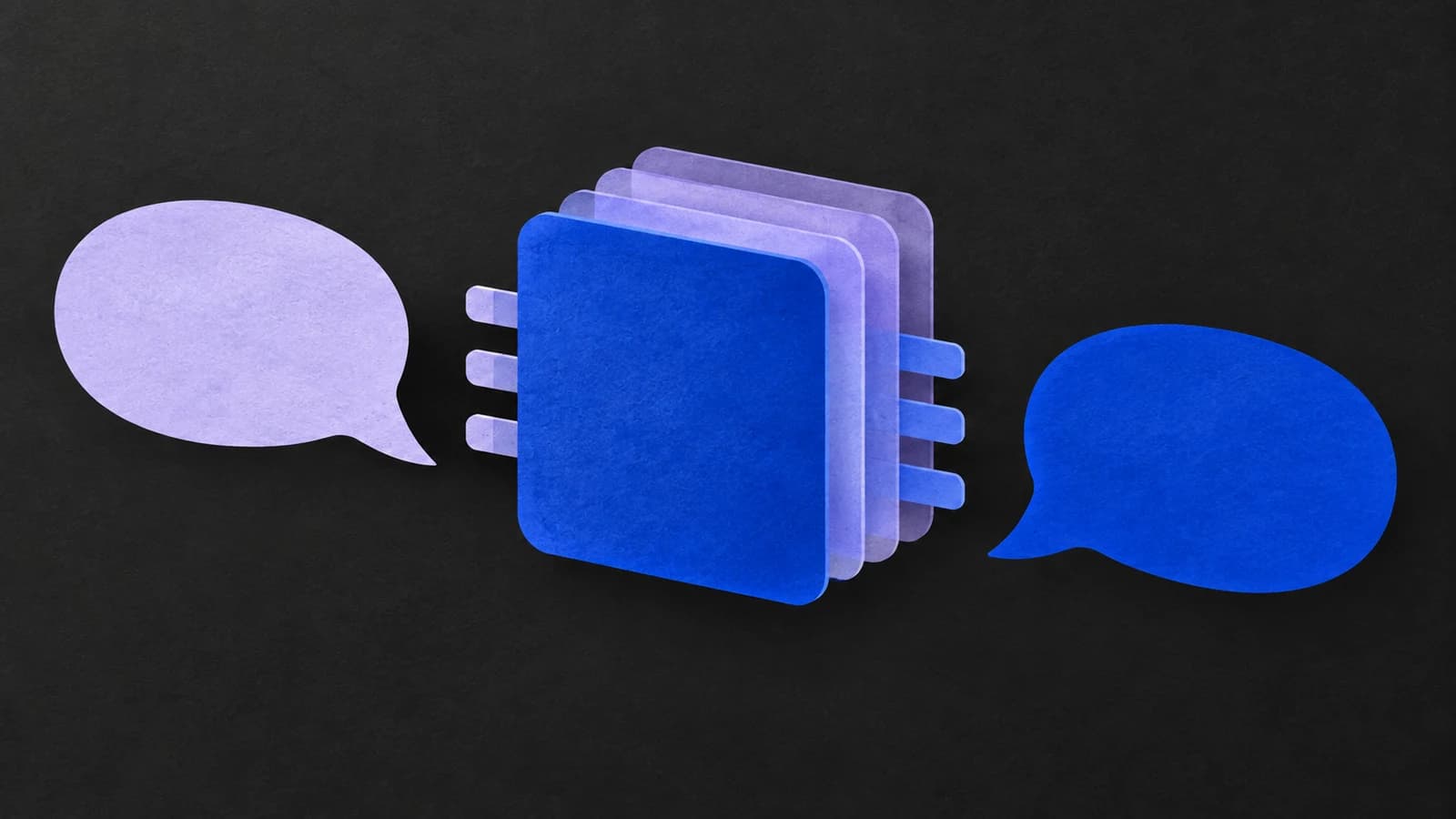
When a chatbot refuses you, one of three separate layers said no. Vendors almost never tell you which one, and the difference is the whole story.
- Training-time alignment. During fine-tuning (RLHF and related methods), a model is taught to refuse whole categories of requests. The refusal lives inside the weights themselves. This is why a mainstream model says no even under a permissive prompt: the no was trained in.
- System-prompt policy. A block of instructions injected before your conversation starts: stay tasteful, deflect explicit requests, change the subject. Same model, different behavior, and the operator can rewrite it any afternoon.
- Input and output filters. Separate moderation classifiers that scan what you type and what the model writes, then block, blur, or rewrite anything that trips them. This is the layer that kills a reply mid-sentence.
An honest uncensored chatbot claim means the first two layers permit legal adult content: the model was trained or modified not to refuse it, and the policy allows it. It almost never means layer three is gone, and it never should. Removing refusal training is a product decision. Removing all moderation is how a platform ends up hosting content that puts people in prison. 'No refusal layer' and 'no rules at all' describe two very different products, and only one of them has a future.
The three kinds of uncensored AI chatbot
Everything sold under this label falls into one of three buckets, and they barely overlap. Knowing which bucket you are looking at answers most of your other questions automatically.
Jailbroken mainstream bots
The oldest trick: prompt-engineer ChatGPT, Claude, or Gemini into ignoring its training. Jailbreaks do sometimes work, briefly, because they attack layer two while layers one and three are still standing. Then the provider patches the exploit, the output filter catches what the trained refusal missed, and your account collects a warning or a ban. If you want the real policy landscape of the big assistants, we mapped which mainstream AI chatbots allow NSFW. Short version: jailbreaking is renting a loophole, not owning a capability.
Local open-weight models
The hobbyist route, and the one with real technical substance. Open-weight models like Llama or Mistral variants can be abliterated: researchers identify the internal direction associated with refusal behavior and mathematically remove it from the weights. Load the result into Ollama or LM Studio as a quantized GGUF file sized for your graphics card and you have a chatbot with no refusal training, no external filter, and no server on the other end. It is the only genuinely private option. The tradeoffs are equally real: setup work, hardware limits on model quality, no persistent memory, no images, and no product around it unless you build one.
Purpose-built uncensored platforms
Hosted services designed for adult content from the first architecture decision: a model selected or tuned not to refuse adult fiction, a system prompt written for it, and a moderation stack that enforces a legal floor instead of a taste ceiling. This is the bucket Jizzy sits in, along with the platforms in our uncensored ChatGPT alternatives roundup. The honest ones state what remains restricted. The dishonest ones say 'no limits' and hope you never test it.
Scroll sideways to see the full table
| Type | What is actually removed | What it costs you | Best for |
|---|---|---|---|
| Jailbroken mainstream bot | Nothing; the prompt layer is tricked temporarily | Bans, patched exploits, constant cat and mouse | Curiosity, not daily use |
| Local open-weight model | Refusal training (abliterated weights) and all filters | Setup effort, hardware limits, no memory or media out of the box | Maximum privacy, tinkerers |
| Purpose-built platform | Refusal training and taste policy; the legal floor stays | Payment for media or membership, chats stored server-side | Actual daily companion use |
The limits every serious platform keeps
Here is what the 'no rules at all' crowd never explains: every uncensored platform that intends to exist next year keeps a hard floor. No minors in any scenario, no real or celebrity people, no non-consent played straight, nothing illegal. That floor is not squeamishness. CSAM is criminal in effectively every jurisdiction on earth whether it is generated or photographed. Payment processors drop platforms that host sexual content of real people. Model providers write these bans into their licenses. A platform with no floor is not more free; it is either lying about the floor or about to become a defendant.
In implementation terms, the floor is layer three doing its actual job: input classifiers that catch prohibited scenarios, prompt-level rules the model itself holds, and human review behind the flags. The craft of a good uncensored chatbot is keeping that floor precise, so it stops the illegal without triggering on the merely explicit. Sloppy platforms tune it wide and end up refusing half of what they advertised.
How to test whether 'uncensored' is architecture or marketing
The search results for this keyword are four listicles with four different winners and zero visible methodology. Ignore the rankings and run your own checks.
- The Terms test. Read the Terms of Service, not the landing page. If the marketing says uncensored but the Terms reserve a broad right to refuse 'adult' or 'objectionable' content at any time, the lawyers outrank the copywriters. The promise must be written into the Terms, or it is not a promise.
- The bait-and-switch check. The classic pattern: a flirty free tier, then a filter wall that appears exactly when you pay or immediately after. We dissect it in our adult AI chatbot roundup. A platform that gates 'uncensored' behind payment with no written commitment is showing you the pattern in advance.
- The edge test. Before spending anything, steer a free conversation toward the actual content you want. Deflection at message 20, the 'let's take it slow' loop, the endless subject change, predicts deflection at message 200. A real uncensored chatbot engages; a filtered one negotiates.
- The specificity test. Ask what is restricted and why. An honest platform can name its floor in one sentence. A page that says 'absolutely no limits' is describing a product that cannot legally exist.
If a platform cannot tell you which layer it removed, the refusal training, the system prompt, or the output filter, it removed nothing. Uncensored is an architecture, not an adjective.
Legality and privacy, answered straight
Legal? For adults creating fictional adult content, yes in most jurisdictions, with local wrinkles: age-verification laws in the UK and several US states, and app store rules that keep these platforms on the web rather than in an app. Whatever is illegal offline stays illegal inside a chatbot, which is exactly what the floor exists to enforce. The tool is lawful; specific uses are not, same as a camera.
Private? A hosted uncensored AI chat bot stores your conversations, necessarily, because that is what persistence is: companion memory works by keeping context on the server. So judge platforms on retention policy, deletion rights, and whether they train on your chats, not on whether data exists at all. If any storage whatsoever is unacceptable to you, the local route above is your honest answer, and no hosted product should pretend otherwise.
Where Jizzy fits
Jizzy is a purpose-built platform, bucket three, and it should pass its own article's tests. The Terms test: the uncensored experience for paying members is committed to in writing in the Terms, which is precisely the standard demanded above. The specificity test: the floor is stated plainly, strictly 18+, no minors, no real or celebrity people, no non-consent, nothing illegal. The edge test: starting is free with no card required, so you can run uncensored AI chat before a single dollar moves.
Tradeoffs, plainly. Jizzy is hosted, so chats are stored to power memory across sessions and devices, and companions text first. Photos and videos are pay-as-you-go: jizz packs start at $9.99, a photo runs 25 jizz and a video 50, no subscription. If absolute privacy is your priority, run a local model instead. If you want the largest character library, Character.AI has it, filters and all. Jizzy's bet is the middle: a genuinely uncensored companion with persistent memory, photos and videos, a custom builder, and a full roster, without the hardware homework.
Practical advice to close: decide which layer you actually care about, then shop for that. If it is privacy, go local and accept the setup; our picks for each job, local and hosted, are in the best uncensored AI. If it is a daily companion, pick a purpose-built platform and make it pass the Terms test and the edge test before money moves. And treat 'absolutely no limits' as the red flag it is. The good products know exactly where their floor sits, and they will tell you.
FAQ
What does 'uncensored' actually mean in an AI chatbot?
It means the model's refusal behavior for legal adult content has been removed or was never trained in, and the operating policy permits that content. It does not mean all moderation is gone: every serious platform keeps filters that block illegal material. If a platform cannot tell you which layer it removed, treat the label as marketing.
Are uncensored AI chatbots legal?
For adults generating fictional adult content, yes in most jurisdictions. Local rules vary, notably age-verification laws in the UK and several US states, and anything illegal offline (CSAM, sexual content of real people without consent) stays illegal no matter what tool produced it. The chatbot is lawful; certain uses of it are not.
What is the difference between a jailbroken ChatGPT and a purpose-built uncensored chatbot?
A jailbreak temporarily tricks a mainstream model's prompt layer while its trained refusals and output filters stay in place, so it breaks constantly and can cost you your account. A purpose-built platform removes the refusal behavior by design and keeps only a legal floor. One is a loophole, the other is architecture.
What is an abliterated model?
An open-weight model, like a Llama or Mistral variant, whose internal refusal direction has been identified and mathematically removed from the weights. Run locally through Ollama or LM Studio, it will not refuse adult content and sends nothing to a server, which makes it the most private option available. The tradeoff is setup work, hardware limits on quality, and no memory or images unless you build them yourself.
Do uncensored chatbots still block anything?
Every legitimate one does. The standard floor is no minors, no real or celebrity people, no non-consent, and nothing illegal, enforced by filters and review even where refusal training was removed. A platform advertising 'absolutely no limits' is describing something that cannot legally operate.
Is Jizzy actually uncensored?
Jizzy removes refusals for fictional adult content between consenting adult characters and commits to that uncensored experience in writing in its Terms for paying members, which is exactly the test this article recommends running on any platform. It keeps the standard floor: strictly 18+, no real people, nothing illegal. Starting is free with no card, so you can verify all of this before paying anything.
From the people who wrote this
Meet an AI that does not say no.
Jizzy is a private, uncensored AI companion that remembers you and texts first. Free to start, 18+.
Create an account